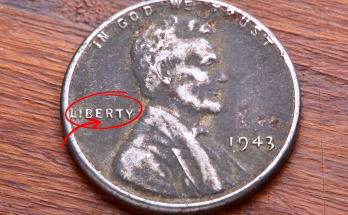
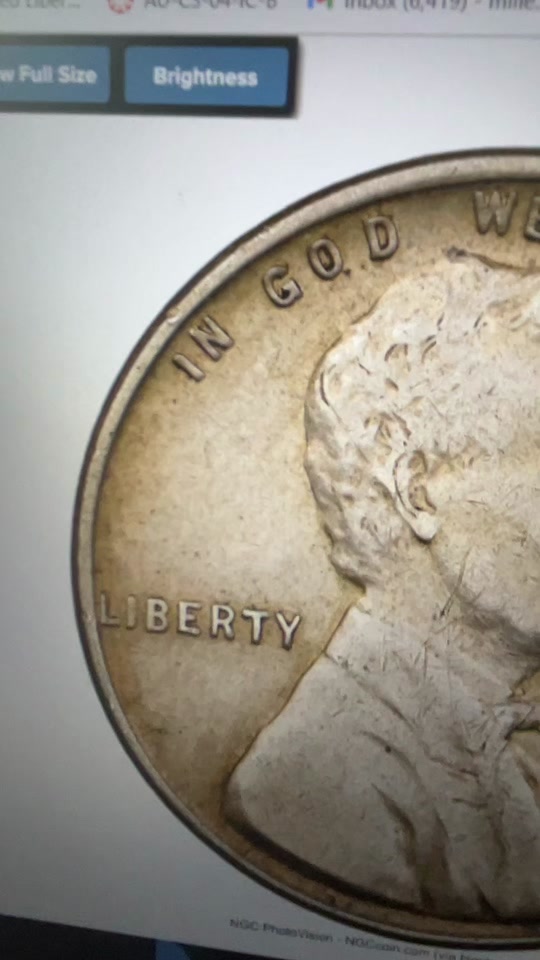
Scratched 1943-D Steel Penny
🪙 This Worn-Out Penny Looked Nearly Worthless… Until It Sold for $7,800
Most collectors dream of finding a rare coin in perfect condition.
But sometimes, the biggest surprises come from coins that look damaged, scratched, and completely ordinary.
That’s exactly what happened with a 1943-D Lincoln Steel Penny that recently stunned the coin-collecting world.
Despite heavy wear, scratches, and an unimpressive appearance, the coin sold for an incredible $7,800 at auction after experts discovered a hidden mint error.
The lesson?
Never judge a coin by its appearance alone.
Let’s break down what made this seemingly common penny so valuable.
🔍 Why Most 1943 Steel Pennies Aren’t Worth Much
During World War II, copper was needed for military equipment and ammunition.
To conserve copper, the U.S. Mint temporarily produced pennies using zinc-coated steel.
1943 Steel Cent Facts
🏭 Produced at Philadelphia, Denver, and San Francisco Mints
🪙 Made from zinc-coated steel
📈 Hundreds of millions were minted
💰 Most circulated examples are worth only a few cents to a few dollars
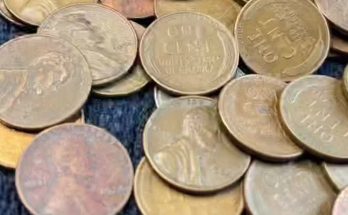
Because so many were produced, worn steel cents are generally common.
So why did this particular coin attract so much attention?
⚠️ The Hidden Error That Changed Everything
At first glance, the penny appeared to be a normal 1943-D steel cent.
However, experts eventually discovered something extraordinary.
The Coin Was Struck on the Wrong Planchet
Instead of being struck on a standard U.S. steel cent blank, this coin was accidentally struck on a blank intended for an Australian Sixpence.
This type of mistake is known as a:
🚨 Wrong-Planchet Error
Wrong-planchet errors occur when a coin design is struck onto a blank intended for a completely different coin.
Collectors consider these among the most fascinating and desirable mint errors.
Because they are extremely rare, even heavily circulated examples can command impressive prices.
⚖️ The Tiny Weight Difference That Revealed the Error
One reason this coin escaped detection for decades was the incredibly small difference in weight.
Weight Comparison
| Coin Type | Weight |
|---|---|
| Normal 1943 Steel Penny | 2.7 grams |
| Error Coin | 2.8 grams |
That’s only:
⚠️ 0.1 gram heavier
Without a precision scale, most people would never notice the difference.
This demonstrates why weighing unusual coins can be one of the most important steps in error-coin identification.
👀 Almost No Visible Clues
What makes this story even more remarkable is how normal the coin appeared.
Even experienced collectors reported that nothing immediately stood out.
Possible Indicators
🔍 Slightly different thickness
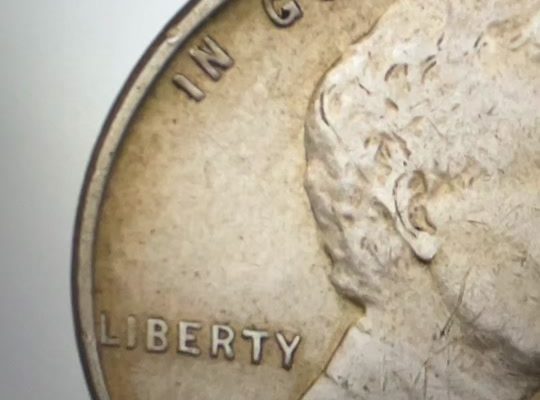
🔍 Minor surface irregularities
🔍 Small details inconsistent with normal steel cents
However, none of these clues were obvious enough to confirm the error without professional examination.
To the average person, it looked like an ordinary old penny.
🏅 Professional Authentication Changed Everything
Once the coin was submitted to experts, the mystery was solved.
Professional graders confirmed:
✅ Wrong-planchet error
✅ Foreign planchet identification
✅ Authentic mint-produced mistake
✅ Official certification and encapsulation
After certification, buyer confidence increased dramatically.
The result?
💰 Final Auction Price: $7,800
A coin that many people would have ignored became a highly desirable collector’s item.
📚 What Collectors Can Learn From This Sale
This remarkable discovery highlights an important truth about coin collecting.
Condition Isn’t Always Everything
Many collectors focus only on:
✨ Mint State grades
✨ Perfect surfaces
✨ Brilliant luster
But rare mint errors can sometimes outweigh cosmetic flaws.
Valuable Error Coins May Have
⚠️ Wrong planchets
⚠️ Off-center strikes
⚠️ Double dies
⚠️ Broadstrikes
⚠️ Wrong-metal compositions
Even damaged coins can be worth significant money if they contain a rare minting mistake.
🔎 How to Check Your Coins for Similar Errors
Before dismissing an old coin, take a few minutes to inspect it carefully.
Step 1: Check the Weight
Use a precise digital scale.
Even small weight differences can be important.
Step 2: Compare Dimensions
Look for unusual thickness or diameter.
Step 3: Examine Color and Metal
Unexpected colors may indicate the wrong metal composition.
Step 4: Verify the Date and Mint Mark
Certain years are more likely to contain rare errors.
Step 5: Research Known Error Types
Compare your coin with documented examples.
Step 6: Seek Professional Authentication
If something seems unusual, expert evaluation can make all the difference.
⚠️ Never Clean a Potential Error Coin
One of the biggest mistakes collectors make is cleaning coins.
Avoid:
❌ Polishing
❌ Scrubbing
❌ Chemical treatments
❌ Abrasive cloths
Cleaning can permanently reduce collector value and make professional authentication more difficult.
📈 Why Error Coins Continue to Rise in Popularity
Collectors love error coins because each one tells a unique story.
Unlike regular coins, many mint errors are:
💎 One-of-a-kind discoveries
🏛️ Historical minting mistakes
📉 Extremely scarce
🔥 Highly sought after by specialists
As awareness grows, demand for authenticated error coins continues to increase.
💡 Final Thoughts
This scratched 1943-D Steel Penny proves that valuable coins don’t always look valuable.
What appeared to be a worn-out wartime penny turned out to be a rare wrong-planchet error worth $7,800.
Before tossing an old coin into a jar or spending it without a second thought:
🔍 Check the weight
🔍 Inspect the details
🔍 Look for unusual characteristics
🔍 Consider professional evaluation
Your next great coin discovery could already be sitting in your collection.
Happy coin hunting! 🪙✨