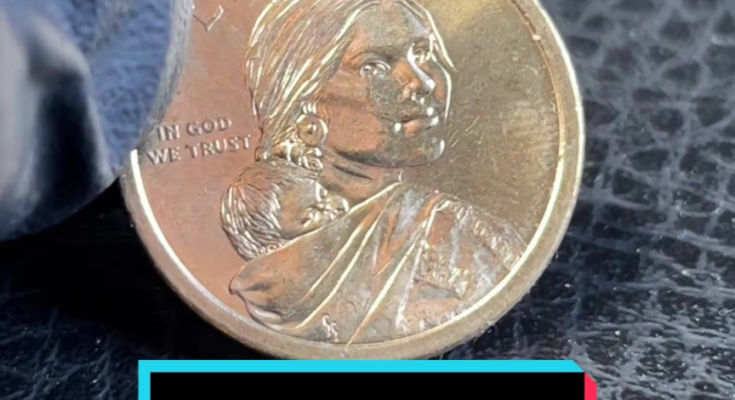
Think you have a rare Sacagawea dollar? Learn how to identify the famous 2000-D Sacagawea Mule Error that has sold for over $150,000, plus expert tips on authentication and selling your coin.


Imagine pulling a Sacagawea dollar from your pocket and noticing something that shouldn’t exist. 😲 Instead of the normal reverse, the coin displays the design of a South Carolina State Quarter. While it sounds unbelievable, this famous mint mistake is very real—and authenticated examples have sold for more than $150,000.
In this guide, we’ll explain exactly what makes this coin so valuable, how to identify it, and what to do if you think you’ve found one.
🪙 What Is a Mule Error Coin?
A mule error happens when the U.S. Mint accidentally pairs two dies that were never intended to be used together.
For the famous 2000-D Sacagawea Mule Error:
- Obverse (Front): Sacagawea Dollar
- Reverse (Back): South Carolina State Quarter
This combination should never occur during normal production. Thanks to strict quality control, these errors are exceptionally rare—but a few escaped the Mint, creating one of the most famous modern error coins in U.S. history.
🔍 How to Identify the 2000-D Sacagawea Mule Error


👩 Step 1: Examine the Front
Check that your coin shows:
- 👩 Sacagawea carrying her infant son, Jean Baptiste
- 📅 Date: 2000
- 🏛️ Denver “D” mint mark
- 🔤 LIBERTY
- 🙏 IN GOD WE TRUST
If everything matches, flip the coin over.
🌴 Step 2: Inspect the Reverse
A genuine mule error features the South Carolina State Quarter reverse.
Look for:
- 🌴 Palmetto Tree
- 🐦 Carolina Wren
- 🌼 Yellow Jessamine
- 🇺🇸 UNITED STATES OF AMERICA
- 💵 QUARTER DOLLAR
If a one-dollar coin says QUARTER DOLLAR, you’ve found an extraordinary mint error that deserves professional evaluation.
💰 Why Is This Coin Worth More Than $150,000?


Several factors make this coin one of the most valuable modern U.S. Mint errors.
⭐ Reasons for Its High Value
- 💎 Only a handful of genuine examples are known.
- 🏛️ The die pairing should never have happened.
- 📈 Strong demand from serious collectors.
- 🪙 A famous piece of modern U.S. Mint history.
- 💰 Verified examples have sold for over $100,000, with some reaching approximately $150,000, depending on grade and market demand.
✅ 5-Step Authentication Checklist


Before assuming you’ve found a fortune, complete these five steps:
1️⃣ Confirm the Front
✔ Sacagawea carrying Jean Baptiste
✔ Date: 2000
✔ Denver “D” mint mark
2️⃣ Verify the Reverse
✔ South Carolina quarter design
✔ “QUARTER DOLLAR” inscription
3️⃣ Check the Weight
✔ Approximately 8.1 grams
4️⃣ Examine Fine Details
Professional graders inspect microscopic die markers to verify authenticity.
5️⃣ Submit for Professional Grading
Have the coin authenticated by respected grading services such as PCGS or NGC before attempting to sell it.
🏆 Why Collectors Love This Coin
The 2000-D Sacagawea Mule Error has become legendary because it combines incredible rarity with an unforgettable production mistake.
Collectors prize it because:
- 🧩 It’s one of the rarest modern mint errors.
- 🚫 The die combination should never exist.
- 💵 Genuine examples command six-figure prices.
- 🔍 It proves that valuable discoveries can still happen in modern coinage.
🏦 Where Can You Sell an Authentic Example?
If your coin is professionally authenticated, consider selling it through respected auction houses that specialize in rare coins.
Popular options include:
- 🏛️ Heritage Auctions
- 🏛️ Stack’s Bowers Galleries
- 🏛️ GreatCollections
These auction companies attract experienced collectors who regularly compete for exceptional error coins.
⚠️ Never clean or polish your coin. Cleaning can dramatically reduce its value.
💡 Could One Be Hiding in Your Collection?


Although only a few authentic examples are known, the 2000-D Sacagawea Mule Error remains one of the most exciting modern U.S. coins ever discovered.
Most Sacagawea dollars are worth only face value, but taking a few moments to inspect both sides of your coin could reveal an incredible rarity. Even if the odds are small, every great coin discovery starts with someone taking a closer look.
❓ Frequently Asked Questions
Is every 2000-D Sacagawea dollar valuable?
No. Most examples are worth face value or a modest collector premium. Only the authenticated mule error commands six-figure prices.
How many genuine mule error coins exist?
Only a very limited number have been confirmed, making this one of the rarest modern U.S. Mint errors.
Should I clean my coin before grading?
No. Cleaning almost always reduces a coin’s value and can make it less desirable to collectors.
How do I know if my coin is genuine?
Professional authentication by PCGS or NGC is the best way to confirm a genuine mule error.
Leave a Reply