1959 Wheat Penny Error
What if a coin you’ve always treated as worthless was actually worth more than a brand-new car?
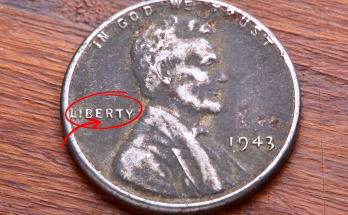
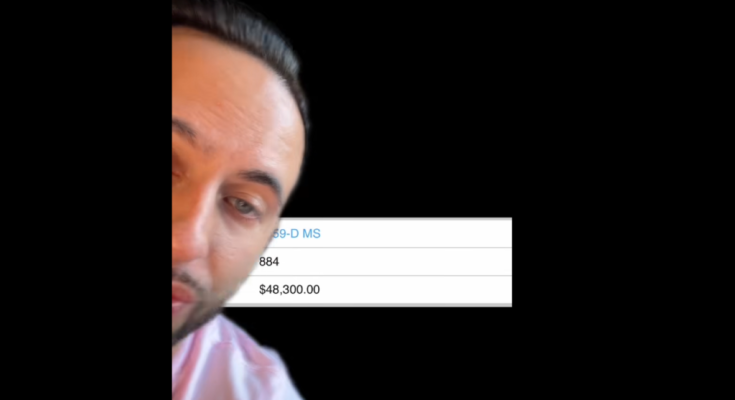
That’s exactly what happened in a documented U.S. coin discovery where a simple penny from an old family collection was later valued at $48,300.
The surprising part?
It was a coin most people would have spent without a second thought.
This guide explains what the coin is, why it matters, and how you can check for it safely.
🏦 Real Discovery: A $48,300 One-Cent Coin
A collector sorting through an inherited coin collection expected only face value.
Instead, one coin stood out after professional evaluation.
💥 Final result: $48,300
It was not gold, silver, or a commemorative issue—just a penny with a rare minting mistake.
🪙 What Is a Wheat Penny?
Before understanding the error, it’s important to know the coin type.
🔍 Wheat Penny Basics
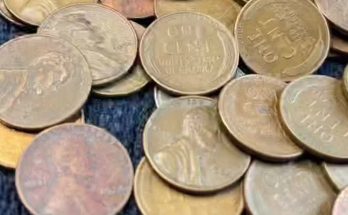
✔️ Minted: 1909–1958
✔️ Designer: Victor D. Brenner
✔️ Reverse: Two wheat stalks framing “ONE CENT” 🌾
✔️ Material: Mostly copper-based composition
⚠️ Important: Wheat reverse designs officially ended in 1958.
After 1958, the Lincoln Memorial design became standard.
🚨 Why the 1959 Wheat Penny Error Is So Important
This is where the coin becomes highly unusual.
❌ What Should Have Happened in 1959
✔️ Lincoln Memorial reverse should appear
✔️ Wheat reverse should no longer exist
✅ What Was Found Instead
A very small number of coins were struck using older wheat reverse dies.
That creates a rare combination:
🪙 Date: 1959
🌾 Reverse: Wheat stalk design (“ONE CENT” wheat reverse)
👉 This combination should not exist in normal production.
💎 Why Collectors Value It So Highly
The value comes from a combination of:
✔️ Mint error classification
✔️ Historical transition year
✔️ Extremely low survival rate
✔️ Strong collector demand
This makes it one of the most talked-about modern penny anomalies.
💰 Estimated Market Value
🪙 Verified Range
💎 Circulated examples: $40,000+
💎 Certified examples: $45,000–$48,300+
🔥 Exceptional specimens: can exceed $48,300
📌 Note: Condition and authentication strongly affect final price.
🔍 How to Check Your Coins Safely
If you are inspecting old pennies, follow these steps carefully:
1️⃣ Check the Date
✔️ Must read 1959
2️⃣ Flip the Coin
✔️ Look for wheat stalks on the reverse
✔️ Text should read “ONE CENT”
3️⃣ Do NOT Clean the Coin
❌ Cleaning destroys collector value instantly
4️⃣ Store It Properly
✔️ Use coin flips or protective holders
5️⃣ Get Professional Grading
✔️ Submit to PCGS or NGC
🧠 Why This Coin Matters
The 1959 Wheat Penny error demonstrates an important reality in coin collecting:
👉 Value is often hidden in mistakes.
Coins like this survive because:
✔️ They were unknowingly spent
✔️ Most people didn’t recognize the error
✔️ Knowledge determines value, not face value
🧠 Final Thoughts
The 1959 Wheat Penny error is:
✔️ Rare
✔️ Highly unusual
✔️ Easy to overlook
But in the right condition, it can be worth tens of thousands of dollars.
Before you ignore old pennies, take a closer look.
🪙 One small coin…
💰 Could represent a life-changing discovery.